Why Tree Trimming and Pruning Matters for Healthy Trees in Volusia County
Living in Volusia County means you get to enjoy Florida's natural beauty year-round. Palm trees sway in the breeze, oaks provide generous shade, and flowering trees add color to every season. But keeping those trees healthy and safe takes more than just watering and hoping for the best. Over the years, I have learned that regular tree trimming and pruning is one of the most important things you can do for your landscape. It is not just about making trees look neat. It is about preventing damage, encouraging strong growth, and avoiding costly emergencies down the road.
Understanding the Difference Between Trimming and Pruning
Many people use the terms trimming and pruning interchangeably, but they are not exactly the same. Trimming usually refers to cutting back overgrown branches, especially for hedges or shrubs, to maintain a tidy shape. Pruning, on the other hand, is more strategic. It involves removing dead, diseased, or crossing branches to improve the tree's health and structure. When you combine the two into a regular routine of tree trimming and pruning, you get the best of both worlds: a tree that looks good and grows strong.
I remember a client in Deltona who had a beautiful live oak in their front yard. They let it grow wild for years, thinking it would take care of itself. By the time they called me, the canopy was so dense that wind could barely pass through, and several large branches were rubbing against each other, creating wounds that invited insects and rot. A good session of tree trimming and pruning opened up the canopy, removed the rubbing limbs, and gave that oak a new lease on life. It also reduced the risk of a branch splitting off during a summer storm.
Why Regular Maintenance Is Critical in Florida
Florida's climate is a double-edged sword for trees. The warm, humid conditions help them grow fast, but they also encourage fungal diseases, pest infestations, and weak wood. Add in the threat of hurricanes and tropical storms, and you have a recipe for disaster if trees are not maintained. I have seen too many homeowners in Volusia County lose a beloved tree or suffer property damage simply because they neglected pruning for a few years.
A well-pruned tree has a strong central leader and evenly spaced branches that can flex in high winds. Deadwood is removed before it becomes a projectile. Branches that hang over the house or driveway are shortened to reduce leverage. These are not just cosmetic improvements. They are safety measures that can save you thousands of dollars in repairs and prevent injury.
When to Trim and Prune in Central Florida
Timing matters. In Volusia County, the best time for major pruning is late winter or early spring, just before the new growth starts. That is when the tree is dormant, and the cuts heal fastest. But dead or hazardous branches can be removed any time of year. I usually tell people to do a quick inspection after every big storm and to schedule a professional evaluation at least once a year.
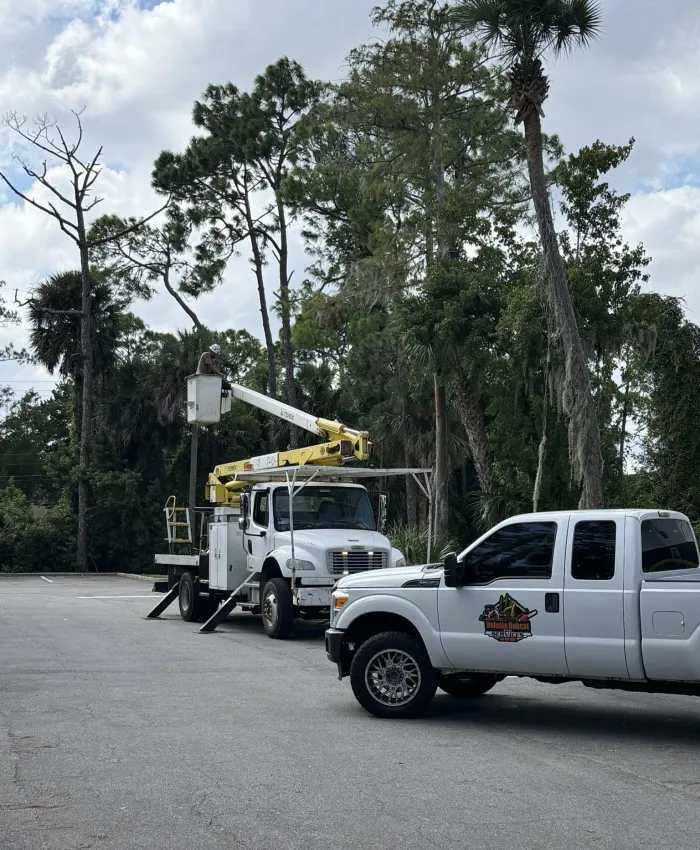
Palm trees are a special case. They do not have the same growth patterns as hardwood trees, and they should only be trimmed when the fronds are completely brown. Over-trimming palms, sometimes called "hurricane cutting," actually weakens them and makes them more likely to break in a storm. A good rule of thumb is to never remove green fronds unless they are a safety hazard.
The Risks of DIY Tree Work
I get it. Climbing a ladder with a chainsaw seems like a way to save money. But I have seen too many accidents to recommend it. Tree work is one of the most dangerous jobs there is, and homeowners often underestimate the weight of a branch or the way it will swing when cut. A branch that looks small from the ground can be heavy enough to break a ladder or pull you off balance. Plus, working near power lines adds a serious electrocution risk.
Beyond the physical danger, there is the risk of damaging the tree itself. Improper cuts, like leaving a stub or making a flush cut that removes the branch collar, create entry points for decay. Topping a tree, which is cutting the main trunk back to a stub, is one of the worst things you can do. It triggers a flush of weak, fast-growing shoots that are prone to breaking and never restore the tree's natural shape. A professional arborist knows how to make proper cuts that help the tree compartmentalize the wound and stay healthy.
Signs Your Tree Needs Attention
Not every tree needs pruning every year, but there are clear signs that it is time to call someone. Look for:
- Dead or hanging branches that could fall on people or property
- Branches that rub against each other, creating wounds
- Fungal growth like mushrooms at the base of the tree, which indicates internal rot
- Leaning trunks or cracks in the main limbs
- Excessive leaf drop or thinning canopy in the growing season
If you notice any of these, it is worth having a certified arborist take a look. Early intervention can often save a tree that would otherwise need to be removed.
The Long-Term Benefits of Consistent Care
I have seen what happens when people commit to regular maintenance. Their trees live longer, look better, and are less likely to fail in a storm. A healthy, well-structured tree adds real value to a property. It shades the house, reducing cooling costs. It provides habitat for birds and wildlife. And it creates a sense of permanence and beauty that a new planting cannot match.
Connect with us on YouTube.
Consistency is key. A single pruning every five years is better than nothing, but an annual or biennial program gives the best results. The tree responds to each cut by directing energy into the remaining branches, and over time you develop a shape that is both strong and attractive. I often tell clients to think of it as an investment. Every dollar spent on smart pruning is a dollar saved on future storm cleanup or tree removal.
Choosing the Right Approach for Different Tree Species
Not all trees are pruned the same way. Live oaks, for example, benefit from thinning the canopy to allow wind to pass through, but they should never have their tops cut off. Crape myrtles, a popular ornamental in Volusia County, are often butchered by people who cut them back to knobby stumps every year. That practice, sometimes called "crape murder," ruins the tree's natural vase shape and leads to weak, spindly growth. A better approach is to remove only lower branches and deadwood, letting the tree grow into its natural form.
Fruit trees like citrus need a different strategy. They require pruning that opens up the center to let sunlight reach the fruit and improve air circulation, which reduces fungal diseases. Timing is also different for fruit trees. In Florida, citrus is usually pruned after the harvest but before the next bloom, which is often in late winter.
Working With a Professional in Volusia County
If you decide to hire someone, look for a company that employs certified arborists and carries proper insurance. Ask about their approach to pruning. Do they follow the standards set by the International Society of Arboriculture? Do they climb using ropes and spikes, or do they avoid spiking healthy trees? Spiking damages the bark and can introduce disease, so it should only be used on trees that are being removed.
A good arborist will also talk to you about the long-term plan for your trees, not just the immediate work. They might recommend mulching, watering during dry spells, or fertilizing based on a soil test. Tree care is a partnership between you and the professional, and the best results come from ongoing communication.
For residents of DeBary, Deltona, Orange City, and the surrounding areas, having a local expert who knows the specific challenges of Florida's climate is a real advantage. The soil here is sandy and drains fast, which means trees can suffer drought stress even in a wet climate. Pests like the laurel wilt disease and the citrus greening bacterium are local threats that affect certain species. A local arborist will recognize these issues early and know how to respond.
A Final Word on Safety and Stewardship
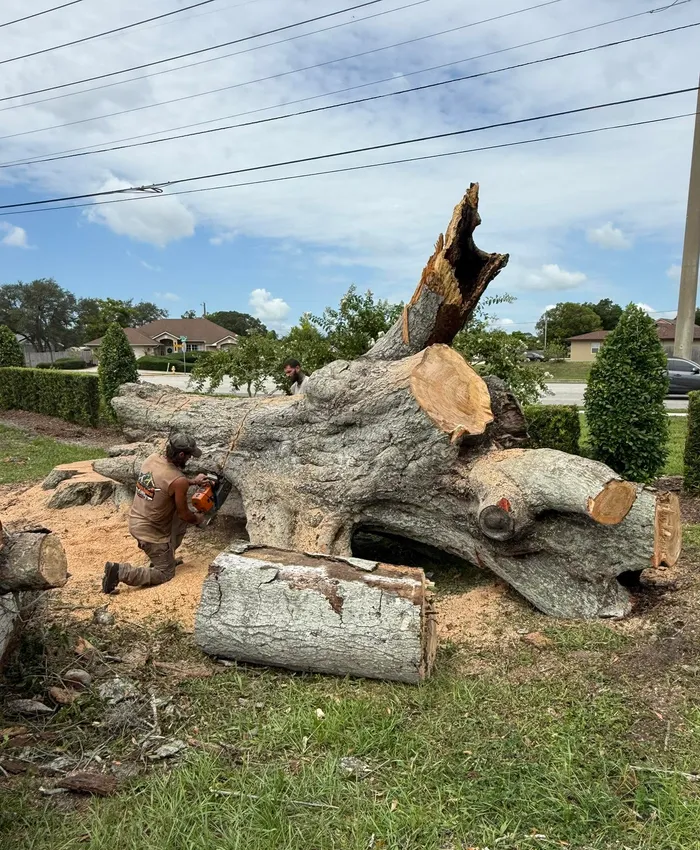
Trees are living things, and they deserve respect. Pruning is a form of stewardship. It is not about dominating nature but about helping a tree thrive in a landscape that humans have shaped. When you trim a branch, you are making a decision that affects that tree for years to come. That is why it is worth doing right.
Whether you are dealing with a towering oak or a small citrus tree in the backyard, the principles are the same. Remove what is dead, damaged, or dangerous. Improve the structure. Promote airflow and light penetration. And always think about the next season, not just today.
If you live in Volusia County and need professional tree care, you can reach Volusia Bobcat & Tree Service at 210 Valencia Rd, DeBary, FL 32713, USA, or call +1 386-675-7898. They offer tree removal, trimming, stump grinding, emergency services, and firewood sales, and they know the local landscape well.